2026-10-13 ·
What Affects Mold Removal Costs In Beverly Hills Older Properties
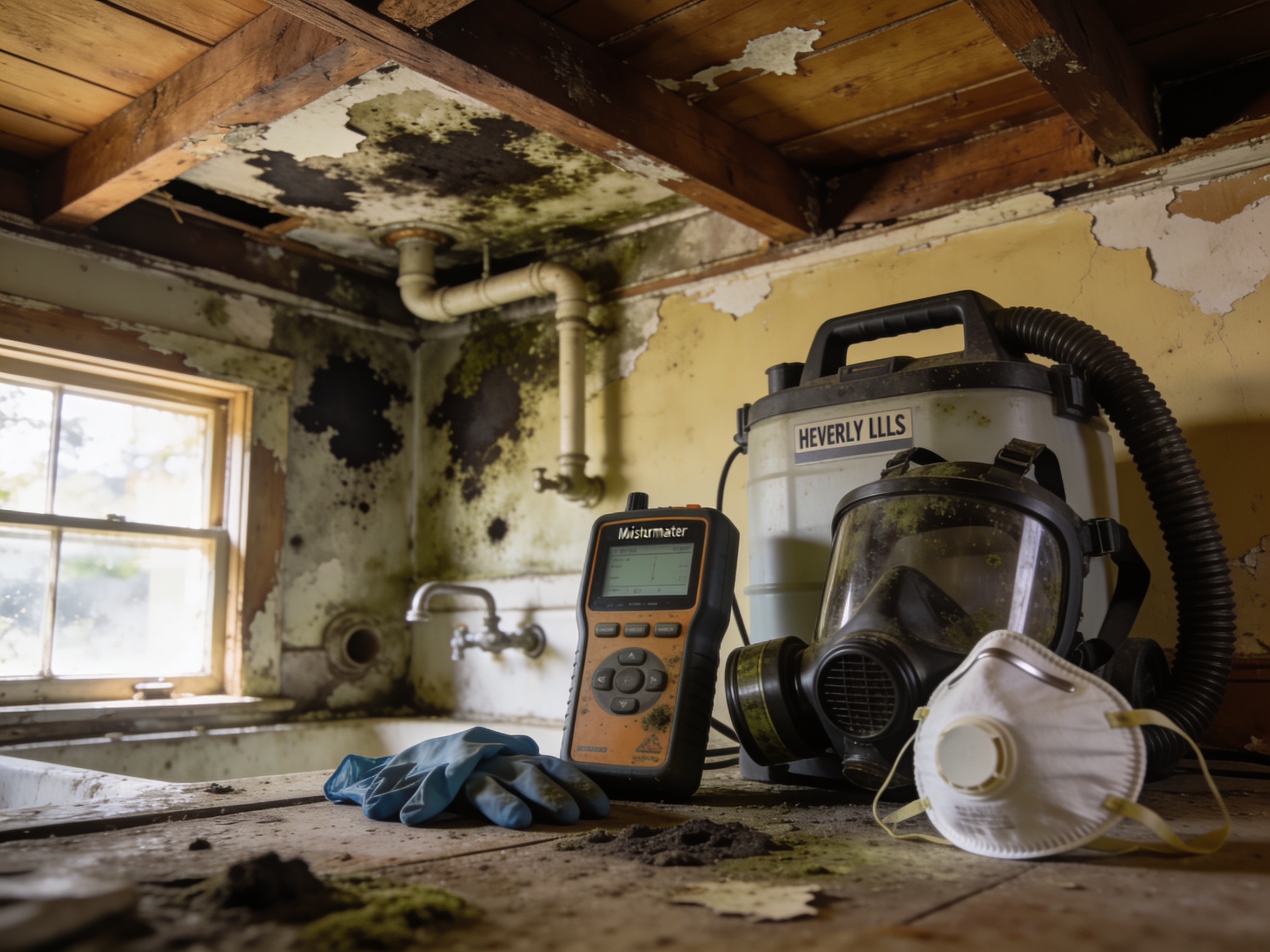
Mold removal costs in older Beverly Hills properties rise mainly due to hidden damage behind walls, outdated plumbing systems, and difficult access in structures built decades ago across neighborhoods such as the Beverly Hills Flats and Trousdale Estates. These homes, common throughout Los Angeles County, often feature original materials that trap moisture longer than modern builds. The mild Mediterranean climate with warm days and cool nights creates repeated condensation cycles that feed mold in attics and basements without obvious signs on the surface.
Property Age and Construction Materials
Homes constructed before the 1970s in areas like the Golden Triangle frequently used plaster over wood lath and single-pane windows that allow greater temperature swings. These materials absorb and hold water from small leaks far longer than drywall, turning minor roof drips near Greystone Mansion into widespread growth. Older cast-iron pipes common in Beverly Hills Post Office residences corrode from within, sending water into crawl spaces where detection takes longer. Remediation crews must remove more finishes to reach the source, increasing labor hours compared with contemporary framing. The county's seismic retrofitting requirements can further complicate wall openings in historic properties.
Climate Patterns and Seasonal Moisture
Beverly Hills experiences mild Mediterranean conditions that produce warm afternoons followed by cool evenings, driving condensation on uninsulated surfaces in older attics. Winter rains, though moderate, pool on flat roofs typical of mid-century estates in Trousdale Estates and seep through aged flashing. This pattern repeats enough to sustain colonies in ceiling cavities without raising indoor humidity readings homeowners notice. Properties near Beverly Gardens Park face additional runoff from irrigation that migrates toward foundations. These cycles mean crews often encounter active growth months after the initial water event, requiring larger containment setups than jobs in drier inland parts of Los Angeles County.
Access Challenges in Specific Neighborhoods
Narrow lots in the Beverly Hills Flats limit equipment staging, forcing technicians to carry materials through finished interiors rather than side yards. Steep driveways in Trousdale Estates complicate debris removal after drywall demolition. Homes bordering Rodeo Drive or near Beverly Hills City Hall may have strict HOA rules on exterior staging and noise, extending project timelines. Nearby cities such as West Hollywood and Culver City share similar stock, yet Beverly Hills older properties more often retain original hardwood floors that demand careful protection during mold remediation. Limited crawl space heights in these neighborhoods also slow inspection and treatment steps.
Hidden Growth and Inspection Needs
Many older residences hide colonies above ceilings or in wall cavities fed by slow plumbing leaks that never surface until stains appear. After winter rains, growth frequently develops in attics of homes near the Beverly Hills Hotel. Readers can review how to spot hidden mold in Beverly Hills attics after winter rains for early warning signs. Professional teams use moisture meters and borescopes to map extent before quoting, because surface cleaning alone fails when roots penetrate subflooring. Residential mold remediation in these settings routinely includes HVAC cleaning to prevent spore redistribution through original ductwork.
Practical Steps for Homeowners
Schedule inspections during cooler morning hours when condensation is easiest to detect. Document any musty odors near bathrooms or laundry rooms before calling for assessment. Compare written scopes that list containment size, disposal methods, and post-remediation verification rather than focusing solely on price. Properties in Bel Air or Holmby Hills often need coordination with landscape crews to protect mature trees during exterior drying. Addressing small leaks promptly reduces the chance that minor issues expand into full-scale removal projects across multiple rooms.